


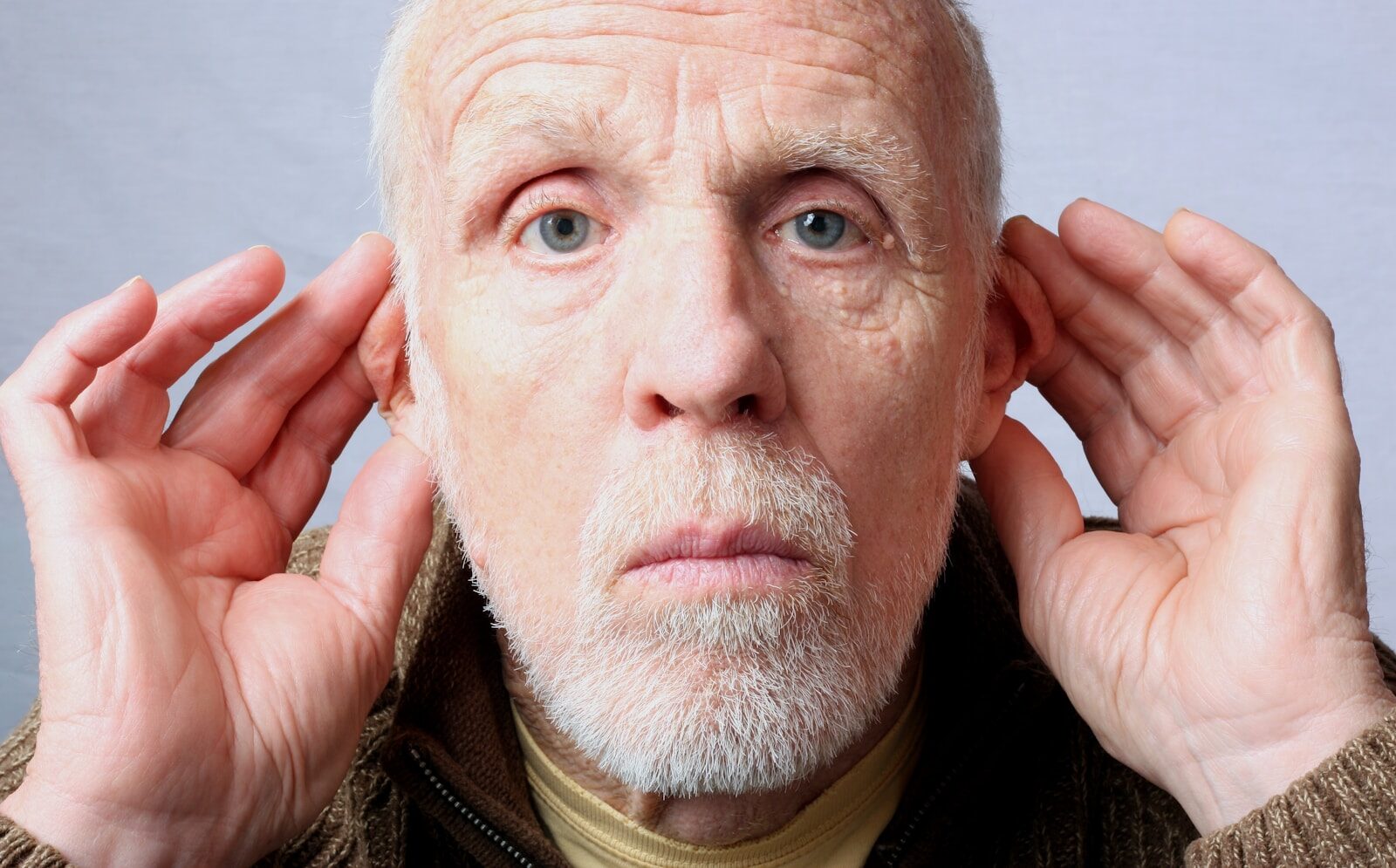
I remember the exact moment I realized something was wrong with my ears.
I was sitting on the back porch one evening, no TV on, no music, nobody talking. And there it was – a high-pitched tone, steady as a flatline on a heart monitor, living inside my left ear. I was 52. I assumed it would go away. That was four years ago.
What bothered me most wasn’t the ringing itself. It was the way every doctor I mentioned it to gave me the same half-shrug and said some version of “that’s pretty normal at your age.” Normal. As if I was supposed to just accept a sound nobody else could hear following me into every quiet room for the rest of my life.
I didn’t accept it. I started reading. And what I found out about why tinnitus shows up – and why it gets louder as you age – changed how I approached the whole thing.
Why Does Tinnitus Get Worse After 40?
Tinnitus intensifies after 40 primarily because of three age-related changes happening simultaneously: cumulative noise damage to the hair cells in your inner ear, reduced blood flow to the cochlea, and increasing inflammation along the auditory nerve pathways. These factors don’t cause tinnitus independently – they stack on top of each other.
The hair cells in your inner ear are the ones that convert sound waves into electrical signals your brain can interpret. They don’t regenerate. Every loud concert, power tool session, and pair of earbuds cranked too high chips away at them over decades. By 40, most people have lost enough of these cells that the brain starts generating its own signal to fill the gap. That generated signal is the ringing.
But here’s the part that surprised me: the damage to hair cells is only part of the story. A 2014 study published in Frontiers in Neuroscience found that tinnitus is increasingly understood as a brain phenomenon, not just an ear problem. The auditory cortex becomes hyperactive when it stops receiving full input from damaged hair cells – essentially turning up its own volume to compensate for what it’s not hearing anymore (Langguth et al., 2013, Frontiers in Neuroscience).
The inflammation piece matters more than most articles mention. A 2020 review in The International Journal of Molecular Sciences found that neuroinflammation – chronic low-grade inflammation affecting nerve tissue – plays a significant role in both the onset and worsening of tinnitus symptoms (Mennink et al., 2020). And guess what increases with age? Inflammation. Your body produces more pro-inflammatory markers after 40, and the auditory system is one of the places that feels it.
Reduced blood flow to the inner ear compounds the problem further. The cochlea depends on healthy microcirculation to function properly. As cardiovascular efficiency declines with age, less blood reaches the tiny vessels that feed the inner ear. A study in The Laryngoscope found a meaningful correlation between poor cardiovascular health and tinnitus severity in adults over 40 (Nondahl et al., 2011).
So it’s not just “your ears getting old.” It’s a triple hit: structural damage, nerve inflammation, and circulation decline, all accelerating at the same time.
What Doesn’t Work (And What I Wasted Money On)
Most over-the-counter tinnitus remedies target a single ingredient and hope for the best. Ginkgo biloba is the most common one you’ll see – it’s in almost every tinnitus supplement on Amazon. The research on ginkgo for tinnitus is mixed at best. A Cochrane review found no convincing evidence that ginkgo biloba is effective for tinnitus as a standalone supplement (Hilton et al., 2013, Cochrane Database of Systematic Reviews).
I took ginkgo for four months. Nothing. Then I tried B12 because a few studies showed that people with tinnitus sometimes have low B12 levels. My levels were fine. Then magnesium. Then a combo pill from a brand I found on Amazon with 4.5 stars and 12,000 reviews. Still nothing meaningful.
The problem with all of these was the same: I was throwing individual ingredients at a multi-system issue. Tinnitus that worsens with age involves hair cell damage (can’t reverse that), nerve inflammation (can address that), and circulation (can address that too). A single-ingredient supplement only touches one piece at most.
I’m not saying those ingredients are worthless. B12 and magnesium are both important for nerve health. But taking them in isolation, at random doses, without addressing the inflammation and blood flow piece? That’s what I’d call the supplement mistake most men over 50 make with tinnitus. I certainly made it.
3 Things That Actually Made a Difference
After two years of trial and error, I narrowed it down to three changes that noticeably reduced the volume and frequency of the ringing. None of them are miracle fixes. I still have tinnitus. But the difference between “I can hear it all day” and “I only notice it when it’s dead quiet” is enormous.
1. Addressing inflammation directly, not with random antioxidants.
Instead of scattershot vitamins, I looked specifically for approaches that target neuroinflammation. The research points to certain plant compounds – including those with anti-inflammatory properties specific to nerve tissue – that work best in combination rather than isolation. A 2021 study in Nutrients found that targeted anti-inflammatory supplementation showed more promise for tinnitus symptom management than general antioxidant supplementation (Cederroth et al., 2019).
2. Protecting what’s left.
I got serious about noise exposure. Earplugs at concerts (yes, at 56, I still go to concerts). Volume limits on earbuds. Avoiding prolonged exposure to anything above 80 decibels. The hair cells I’ve lost aren’t coming back, but the ones I still have are worth protecting. The National Institute on Deafness and Other Communication Disorders (NIDCD) emphasizes that noise-induced hearing loss – and the tinnitus that comes with it – is preventable with proper protection (NIDCD, NIH).
3. Supporting circulation to the inner ear.
This was the piece I ignored for the longest time. The cochlea needs blood flow. Cardiovascular exercise helps – even 30 minutes of walking daily can improve microcirculation. But I also wanted targeted support. That’s what led me to look at formulas designed around the combination of anti-inflammatory compounds and circulation support for the auditory system.
What I’m Taking Now
After trying probably eight or nine different products over two years, I found one that actually combines the anti-inflammatory and circulation pieces in a single formula built specifically for ear health. It’s not ginkgo in a new bottle. It’s a combination approach that addresses the two things I could actually influence – nerve inflammation and blood flow to the inner ear.
The ringing hasn’t disappeared. I want to be clear about that because I’ve read too many fake testimonials claiming overnight miracles. What happened was the volume dropped. The frequency of the worst episodes dropped. I stopped noticing it during conversations, during work, during most of my day. It’s still there in a quiet room if I listen for it. But I stopped listening for it, and that’s the point.
After everything I’ve tried, this is the one I keep coming back to. It’s not a miracle pill and I’m not going to pretend it is. But it’s the closest thing I’ve found to actually making a difference for the ringing. Here’s what I’m taking for ear health.
Why does tinnitus seem louder at night?
Tinnitus seems louder at night because ambient noise drops and your brain has fewer competing sounds to process. During the day, background noise partially masks the ringing. At night, with less auditory input, the brain’s compensation signal – the tinnitus itself – becomes more prominent. This is why many tinnitus sufferers find that white noise machines or a fan in the bedroom provide noticeable relief.
Can tinnitus after 40 be reversed?
Tinnitus caused by hair cell damage cannot be fully reversed because those cells don’t regenerate in humans. However, the severity of symptoms can often be meaningfully reduced by addressing the contributing factors that make tinnitus worse – specifically neuroinflammation, poor inner ear circulation, and continued noise exposure. Many people over 40 experience significant improvement in perceived volume and frequency of episodes with the right combination of approaches.
What is the best supplement for tinnitus in adults over 40?
The most effective supplements for tinnitus in adults over 40 are those that address multiple contributing factors at once – particularly neuroinflammation and inner ear circulation – rather than relying on a single ingredient like ginkgo biloba alone. Look for combination formulas with research-backed ingredients that target the auditory nerve pathways and microcirculation rather than general wellness supplements repackaged for tinnitus.
Does stress make tinnitus worse?
Yes. Stress activates the sympathetic nervous system, which increases cortisol levels and promotes inflammation throughout the body, including the auditory pathways. Multiple studies have found a bidirectional relationship between stress and tinnitus – stress worsens the perception of tinnitus, and tinnitus increases stress, creating a cycle that can escalate symptoms. Stress management techniques, regular exercise, and adequate sleep all play a role in breaking this cycle.
Should I see a doctor about tinnitus?
If tinnitus is sudden, occurs in only one ear, is accompanied by hearing loss, or follows a head injury, see a doctor promptly – these can indicate conditions that need medical evaluation. For the gradual tinnitus that develops after 40, a hearing test (audiogram) is a reasonable starting point. An ENT specialist can rule out structural issues. Beyond that, most doctors will recommend management strategies rather than a cure, which is why many people supplement with targeted nutritional support alongside medical guidance.
Want what I'm finding?
One email a week. The research I'm digging into and what's actually working after 40. No noise.