


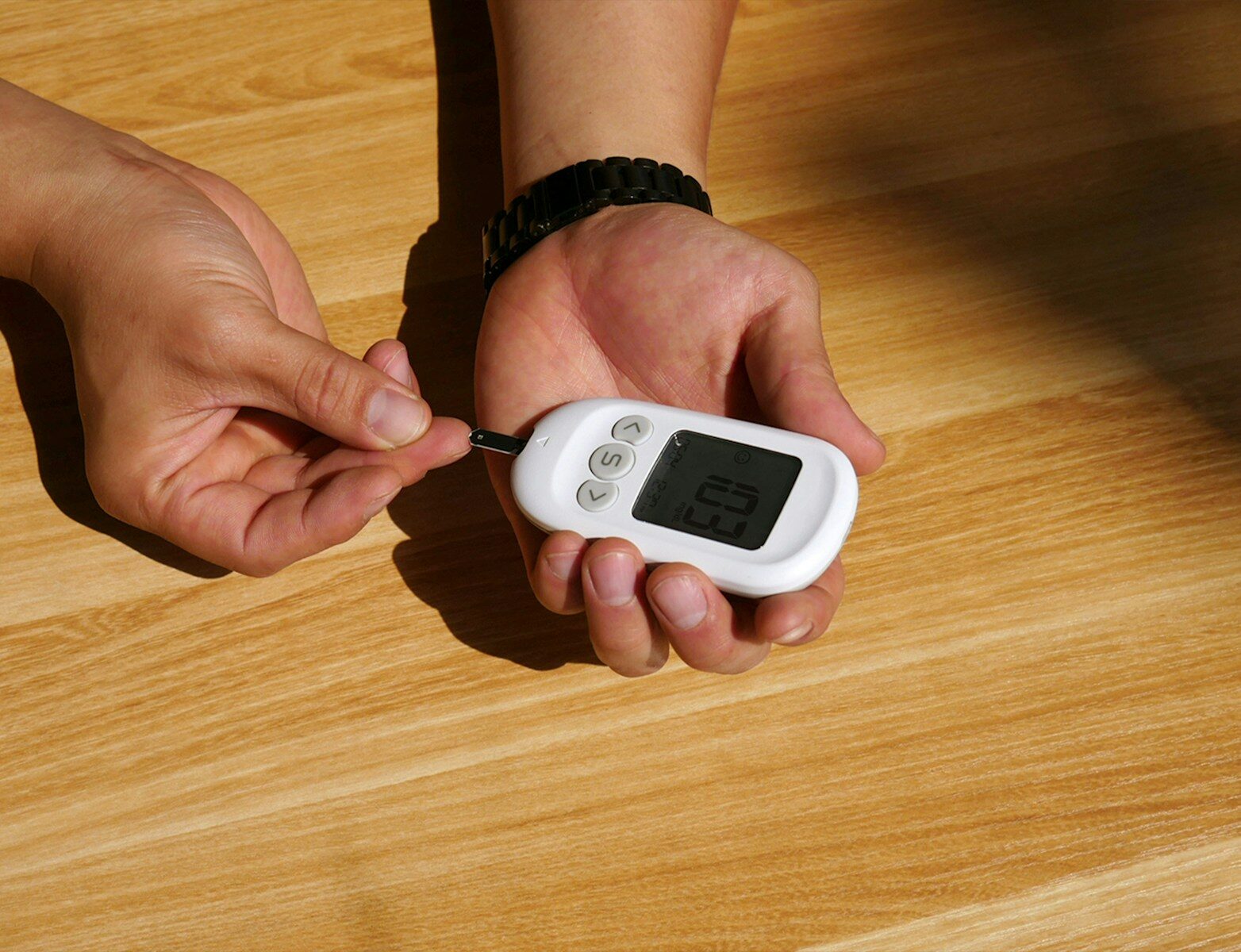
I was 54 when my doctor looked at my bloodwork and said, “You’re not diabetic. But you’re heading that direction if nothing changes.”
That’s the sentence that rewires your brain. Not “you have diabetes.” Not even “you’re pre-diabetic.” Just this vague, ominous “heading that direction” – like watching a slow-motion car wreck from the driver’s seat.
I started researching that night. And within a week, one compound kept showing up in study after study: berberine. A plant extract that most of my friends had never heard of, but that researchers have been quietly studying for decades. So I dug in. Here’s what I found – and what happened when I tried it myself.
What Berberine Actually Does to Blood Sugar
Berberine is a bioactive compound found in several plants, including goldenseal, barberry, and Oregon grape. It lowers blood sugar primarily by activating an enzyme called AMPK, which helps cells take in glucose more efficiently and improves insulin sensitivity. Multiple clinical trials have shown it can reduce fasting blood glucose by 15-25% in people with elevated levels.
The research is surprisingly deep for something most people haven’t heard of. A meta-analysis published in the Journal of Ethnopharmacology reviewed 27 clinical trials involving over 2,500 participants and found that berberine significantly reduced fasting blood glucose, HbA1c, and triglycerides compared to placebo. Another study in Metabolism: Clinical and Experimental compared berberine head-to-head with metformin – the most commonly prescribed diabetes drug – and found similar reductions in blood sugar markers over a 3-month period.
That’s not some fringe finding. That’s a direct comparison with a frontline pharmaceutical, published in a respected journal.
The mechanism matters too. AMPK activation doesn’t just help with blood sugar. It’s involved in how your body metabolizes fat, manages inflammation, and regulates energy at the cellular level. Researchers sometimes call AMPK the “metabolic master switch” – and berberine appears to flip it on in ways that mirror some of the effects of exercise and calorie restriction.
Why This Matters More After 50
Insulin sensitivity declines with age. By the time you hit 50, your body is measurably less efficient at processing glucose than it was at 30, even if your diet hasn’t changed. This is why so many men in their 50s get blindsided by “borderline” blood sugar readings – they’re eating the same way they always have, but their body’s ability to handle it has quietly eroded.
A 2019 study in Diabetes Care found that adults over 45 have roughly double the rate of pre-diabetes compared to younger adults. And here’s the part that doesn’t get enough attention: most of them don’t know it. Pre-diabetes rarely has obvious symptoms. You feel fine right up until you don’t.
This is where berberine becomes interesting for the over-50 crowd specifically. The studies showing the strongest effects tend to involve participants with mildly to moderately elevated blood sugar – exactly the profile of a typical man in his 50s who just got a concerning lab result. If you’re already in the diabetic range and on medication, berberine is a conversation to have with your doctor. But if you’re in that gray zone between normal and medicated? That’s where the research is most compelling.
The Catch Nobody Mentions
Berberine isn’t perfect. The most common side effect is GI discomfort – cramping, diarrhea, or bloating, especially in the first week or two. Most people find this subsides as their body adjusts, but it catches a lot of first-timers off guard.
Dosing also matters more than most supplement companies want to admit. The clinical trials that showed real results typically used 1,000-1,500 mg per day, split into two or three doses taken with meals. Taking a single 500 mg capsule once a day and expecting the same results as a controlled trial using three times that amount – that’s setting yourself up for disappointment.
There’s also the absorption problem. Standard berberine has notoriously low bioavailability. Your body only absorbs a fraction of what you swallow. Some newer formulations use delivery systems designed to improve absorption, which means you can potentially get the same effect at a lower dose with less GI upset.
And one more thing: berberine can interact with certain medications, particularly metformin, blood thinners, and some blood pressure drugs. If you’re on anything prescription, talk to your doctor before adding berberine to the mix. This isn’t the kind of supplement you just toss into your morning handful of pills without thinking.
What I Actually Do
I’ve been taking a berberine-based supplement for about six months now. My last two blood panels showed my fasting glucose in the low-normal range – down from the “let’s keep an eye on this” territory that started this whole journey.
I’m not going to sit here and credit berberine alone for that. I also cut back on the bread and pasta that was quietly dominating my diet, started walking after dinner most nights, and stopped pretending that a third cup of coffee at 3pm was a substitute for actual food. All of those things matter.
But berberine was the one change I made that I could point to in the research and say, “There’s real data behind this.” Not internet hype. Not influencer marketing. Actual clinical trials with actual control groups.
After everything I’ve tried, this is the one I keep coming back to. It’s not a miracle pill – nothing is – but it’s the closest thing I’ve found to actually making a difference when it comes to keeping my blood sugar where it belongs. Here’s what I’m taking.
Does berberine actually lower blood sugar?
Yes. Multiple clinical trials and meta-analyses have shown that berberine can reduce fasting blood glucose by 15-25% in people with elevated levels. It works by activating the AMPK enzyme, which improves insulin sensitivity and helps cells absorb glucose more efficiently. The strongest evidence is for people with mildly to moderately elevated blood sugar – not those already well-controlled or severely diabetic.
How much berberine should I take for blood sugar?
Most clinical studies showing significant results used 1,000-1,500 mg per day, divided into two or three doses taken with meals. A single low-dose capsule once daily is unlikely to match the effects seen in research. Start at a lower dose and work up to reduce the chance of stomach discomfort in the first week.
Is berberine as effective as metformin?
A study published in Metabolism: Clinical and Experimental found that berberine produced similar reductions in fasting blood glucose and HbA1c compared to metformin over a 3-month period. However, berberine is a supplement, not a prescription drug, and should not be used as a replacement for prescribed medication without consulting your doctor.
What are the side effects of berberine?
The most common side effects are gastrointestinal – cramping, diarrhea, and bloating, particularly during the first one to two weeks. These typically improve as your body adjusts. Berberine can also interact with certain medications including metformin, blood thinners, and blood pressure drugs. Always consult your doctor before starting berberine if you take prescription medications.
When is the best time to take berberine?
Take berberine with meals, split across two or three doses throughout the day. Taking it with food helps with absorption and reduces the likelihood of stomach discomfort. Avoid taking your full daily dose all at once – the clinical evidence supports divided dosing for both effectiveness and tolerability.