


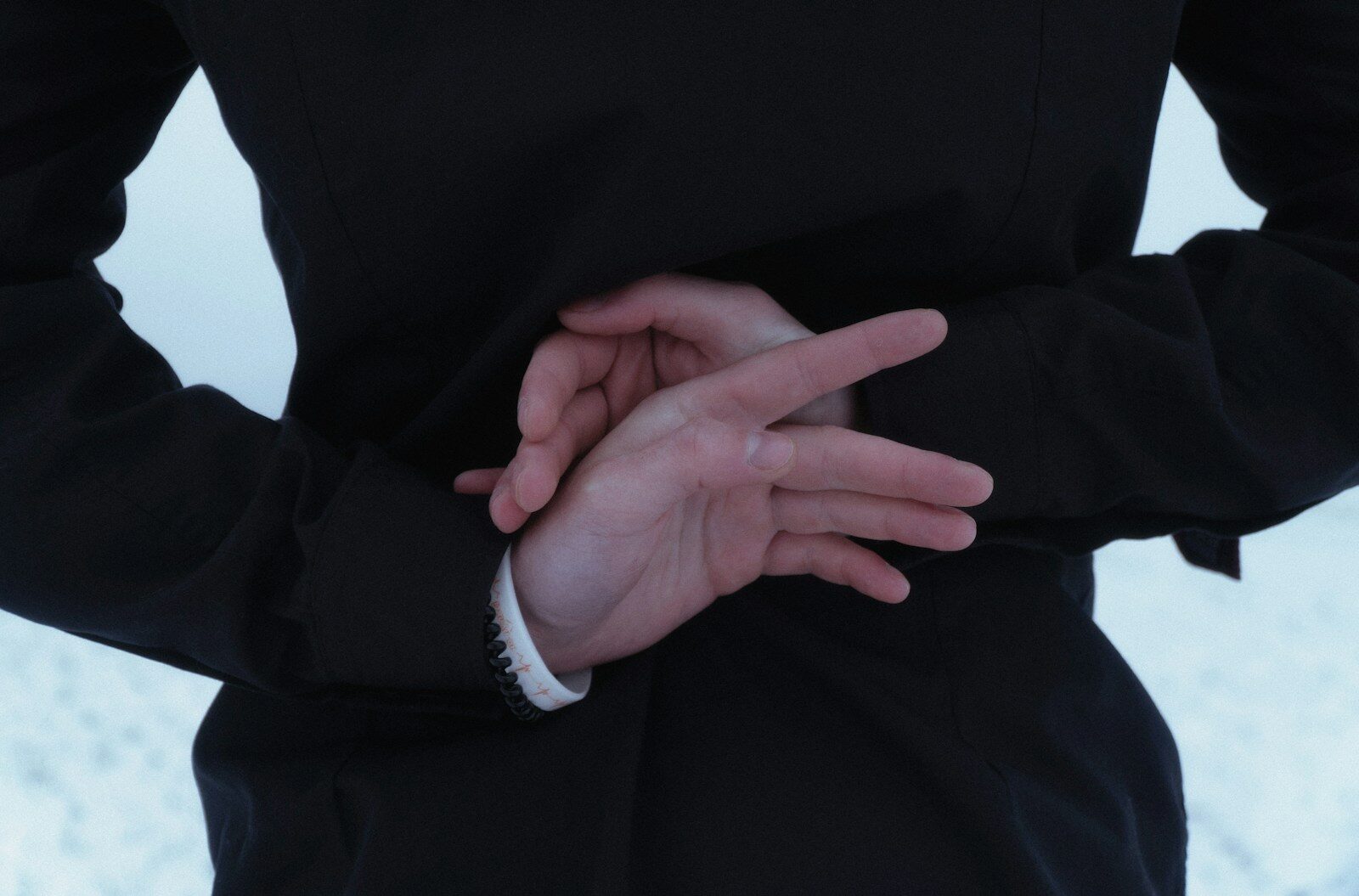
The first time I noticed it, I was reaching for a coffee mug on a 70-degree morning. My fingers felt cold. Not freezing. Just colder than the rest of me. Colder than they used to be. A week later, my wife mentioned that my feet under the blanket felt like blocks of ice.
I’m 58 now. Cold hands and feet have become part of the body’s vocabulary. For most people my age, it’s a normal shift. For some, it’s a signal worth taking seriously. The hard part is knowing which is which.
Here’s what I found after digging through the research and asking my doctor what to actually look for.
What Changes in Your Circulation After 50
After 50, blood vessels become slightly less elastic, the heart’s resting stroke volume can drop by roughly 10% compared to age 30, and the body’s response to cool temperatures becomes more aggressive. The combination means less blood reaches your fingers and toes, especially when you’re sitting still or in a cool room. This isn’t disease. It’s the cardiovascular system aging on schedule.
Two specific changes drive most of what you feel. First, the small arteries in your hands and feet constrict more readily as you age, a process called peripheral vasoconstriction. The body prioritizes core organs and is quicker to pull blood away from the extremities. Second, the layer of fat just under the skin thins with age, so there’s less insulation between you and the ambient temperature. Both shifts are normal on their own. Together they explain why a 70-degree room feels chillier at 58 than it did at 38.
Most adults notice it as a creeping change rather than a sudden one. The same office that used to feel comfortable starts to require a sweater. Bedtime needs an extra blanket. The morning shower takes a few seconds longer to warm up the hands. None of these mean something is wrong. They mean the system is working a bit harder than it used to.
The 6 Most Common Causes of Cold Hands and Feet After 50
Most cold hands and feet after 50 trace back to one of six causes: age-related circulation changes, low thyroid function, iron-deficiency anemia, peripheral neuropathy, Raynaud’s phenomenon, or peripheral artery disease (PAD). The first three account for the majority of cases. The other three are less common but more important to catch.
1. Age-related circulation changes. The default explanation for most of us. If you’ve gradually noticed your hands and feet running cooler over a span of years and nothing else is unusual, this is the likely answer. Nothing to treat; just something to work with.
2. Hypothyroidism. An underactive thyroid is the second most common culprit and frequently goes undiagnosed. Cold extremities are often paired with fatigue, weight gain that won’t budge, dry skin, and a slow resting heart rate. A simple TSH blood test catches it, and the condition is highly treatable once identified. The Mayo Clinic overview of hypothyroidism is a clear starting point if you want to read up.
3. Iron-deficiency anemia. Limits the blood’s ability to deliver oxygen, which the body partly compensates for by pulling blood away from the extremities. Common signs include pale skin, unusual fatigue, brittle nails, and a noticeable drop in exercise tolerance. Standard blood work confirms it.
4. Peripheral neuropathy. Often related to diabetes or long-term blood sugar dysregulation, neuropathy damages the nerves that regulate blood vessel tone in the feet and hands. People describe it as cold accompanied by tingling, numbness, or a pins-and-needles feeling. If you have prediabetes or type 2 diabetes, this is the cause to rule out. The NIDDK page on diabetic neuropathy explains the connection.
5. Raynaud’s phenomenon. Causes the small arteries to spasm in response to cold or stress, often turning fingertips or toes white or blue. Episodes are usually brief but distinct. The color changes are the giveaway.
6. Peripheral artery disease (PAD). The most serious of the six. Plaque narrows the arteries supplying the legs, which can cause cold feet along with cramping when walking that goes away with rest. PAD is more common in smokers and people with high blood pressure or cholesterol. Untreated, it raises the risk of heart attack and stroke. The NHLBI page on PAD lays out the signs to watch for.
When to Take Cold Hands and Feet Seriously
Cold hands and feet move from normal to warning sign when they show up alongside specific patterns: one-sided coldness, sharp color changes (white, blue, or red), numbness that doesn’t resolve with warming, slow-healing sores on the feet, pain or cramping when walking that improves with rest, or sudden onset over days rather than years. Any of these warrants a doctor’s evaluation.
The most useful filter is symmetry. Age-related circulation changes affect both sides equally. Disease processes often don’t. If one foot is consistently colder than the other, or if the coldness is paired with a slow-healing sore or a wound that won’t close, that’s not aging. That’s a vascular signal that needs imaging.
Color changes are the second strong filter. Cool but pink is the normal pattern. White, blue, mottled, or persistently red are not. Same for sudden onset. Circulation changes from aging accumulate quietly over years. A pattern that starts in a span of weeks is a different kind of problem.
Walking pain that consistently shows up after the same distance and resolves with rest is called intermittent claudication and is a classic PAD signal. It’s not the kind of joint pain that builds with use. It’s a specific cramping or aching in the calves, thighs, or buttocks that disappears within minutes of sitting down. If that pattern fits, ask your doctor about an ankle-brachial index test.
What Actually Helps Cold Hands and Feet After 50
For ordinary age-related cold extremities, the strongest practical fixes are consistent movement throughout the day (especially short post-meal walks), layered clothing that maintains core warmth, treating any underlying nutrient deficiencies, and reducing prolonged sitting. Hand and foot exercises, warm water immersion, and hydration all help on the margins. Heating pads feel good but only address the symptom.
Movement is the lever that does the most. The cardiovascular system responds to demand, and short, frequent activity beats long sedentary stretches broken up by one daily workout. A 10-minute walk after lunch and dinner pushes warm blood through your legs and hands more effectively than an hour at the gym followed by six hours at a desk. I wrote more about that pattern in my post on the 10-minute post-meal walk. The same principle applies to circulation in the hands and feet.
Layering protects the cause, not just the symptom. The body pulls blood away from the extremities when it’s working to keep the core warm. If your torso is well-insulated, the body has less reason to vasoconstrict in the hands and feet. A warm vest or sweater under a jacket does more for cold feet than thick socks alone.
Two micronutrient checks are worth running with your doctor: vitamin B12 and iron (ferritin specifically, not just hemoglobin). Both are common deficiencies after 50 and both can show up as cold extremities. Supplementing without testing isn’t useful since excess iron is its own problem, but a simple blood panel makes the picture clear.
If you’re sitting at a desk most of the day, set a timer for every 45 to 60 minutes and stand for two minutes. Calf raises, shoulder rolls, and a brief walk to the kitchen are enough. The point isn’t exercise. The point is breaking the pooling pattern that makes hands and feet cold in the first place. After 50, prolonged stillness costs more than it used to.
If your cold extremities show up alongside chronic stiffness or joint complaints, those often travel together. I wrote about the overlap in joint pain after 50 because the root causes are sometimes connected.
Frequently Asked Questions
Are cold hands and feet always a sign of poor circulation?
No. Most cases of cold hands and feet after 50 are mild age-related vasoconstriction, not impaired circulation in the medical sense. True circulatory disease usually comes with additional signs: pain when walking, color changes, one-sided coldness, or slow-healing wounds. If your only symptom is feeling cold more easily than you used to, age-related changes are the most likely cause.
Why are my feet always cold at night?
Feet often feel coldest at night because your core body temperature drops as part of the sleep cycle, and the body prioritizes warmth in the trunk over the extremities. Add reduced movement after sitting all day and lower blood pressure at rest, and the feet are the first place you feel it. Wool socks, a warm bed before you get in, and a brief stretching routine before sleep can help. If feet are also waking you up multiple times a night, ask your doctor about peripheral neuropathy.
Can supplements help cold hands and feet?
Some can, depending on the cause. If you’re low in iron or vitamin B12, correcting those deficiencies often improves cold extremities directly. For ordinary age-related circulation, no supplement has strong evidence as a first-line fix. Movement, layering, and treating root causes outperform any pill. If you suspect a deficiency, get blood work before supplementing.
Is it normal for one foot to be colder than the other?
No. Asymmetric coldness in the hands or feet is one of the clearest signs that something other than normal aging is at work. The most common causes are circulation problems on one side, nerve issues from a specific injury or condition, or in rare cases a clot. If you consistently notice one side runs colder, mention it to your doctor and ask about an ankle-brachial index or a vascular ultrasound.
At what temperature should I worry about my hands and feet being too cold?
The actual surface temperature matters less than the pattern. Healthy hands and feet can run 70 to 90 degrees Fahrenheit depending on the room and recent activity. Persistent skin temperatures noticeably below that, color changes, numbness, or pain are the signals to take seriously, not a specific number. If you’re tracking with a thermometer because the difference is dramatic, that itself is reason to mention it to your doctor.
Want what I'm finding?
One email a week. The research I'm digging into and what's actually working after 40. No noise.