


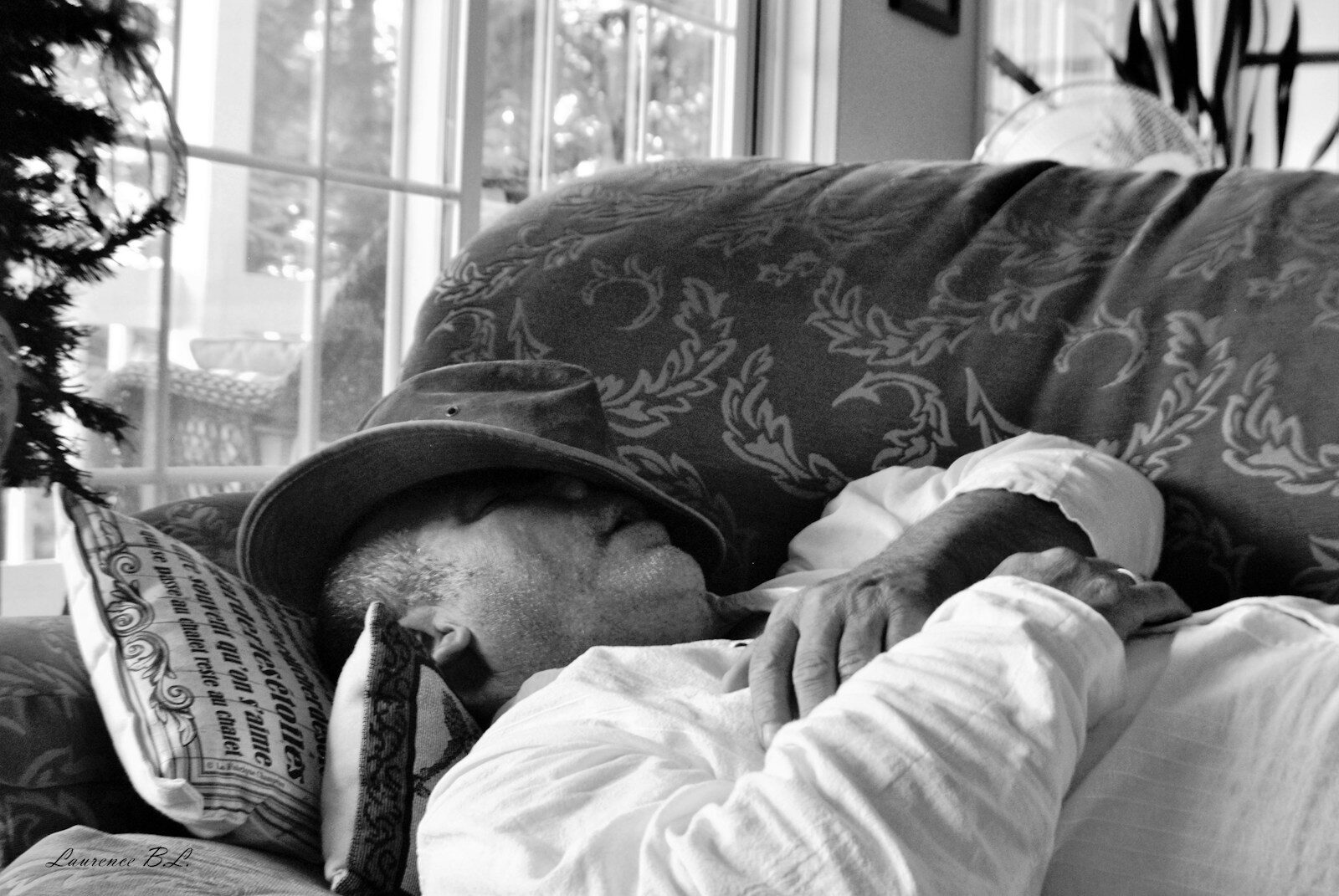
I’m 58. For about three years, I told myself the reason I was up at 2 a.m. and again at 4 a.m. was because I’d had a glass of water too close to bed. Or because I’d had coffee with dinner. Or because the dog shifted in his crate and woke me.
It was none of those things. It was my prostate, and I was doing what most men my age do. Ignoring it.
The thing I’ve learned since then is that the body doesn’t usually send one clear alarm. It sends a dozen small ones, and most men over 50 write every single one of them off as “just getting older.” Sometimes that’s true. Sometimes it isn’t. Here are the five signs I ignored the longest, and what I wish I’d paid attention to years earlier.
What’s Actually Happening to Your Prostate After 50
The prostate is a walnut-sized gland that sits below the bladder and wraps around the urethra, which is the tube urine passes through. Starting around age 40, most men experience some prostate enlargement. By age 60, about half of men have some degree of benign prostatic hyperplasia (BPH). By age 85, that number climbs to 90 percent, according to the National Institute of Diabetes and Digestive and Kidney Diseases.
BPH is not prostate cancer. It’s not the same conversation. But it’s the thing most men over 50 are dealing with when they start noticing changes, and the symptoms are almost always written off as a nuisance instead of a signal. Here’s what the research says those signals actually look like.
The 5 Signs Most Men Over 50 Ignore
These aren’t one-off bad nights. These are patterns. If you recognize two or three of these, that’s the moment to start paying attention, not the moment to keep brushing them off.
1. Getting Up Twice or More to Urinate at Night
Waking up once in the night is usually nothing. Waking up two or more times, consistently, for weeks or months, is a specific clinical pattern called nocturia. Mayo Clinic lists it as one of the most common early signs of BPH. It also happens to be the sign most men dismiss because they think it’s about hydration timing. It usually isn’t.
What’s happening: an enlarging prostate presses on the urethra. The bladder can’t fully empty when you go at 10 p.m., so your body wakes you up a few hours later to finish the job.
The sleep cost compounds. Two wake-ups a night for a year is roughly 700 interrupted sleep cycles. That shows up as afternoon fatigue, brain fog, and irritability that men then blame on their age, their job, or their wife.
2. A Weak or Interrupted Stream
If your stream starts strong and then stops, or never really gets going in the first place, that’s not a minor annoyance. It’s a mechanical signal. A prostate that’s pressing on the urethra narrows the tube, and the bladder has to work harder to push urine through. Over time, the bladder muscle itself weakens from the extra effort, which makes everything worse.
A lot of men notice this first at urinals. You step up, nothing happens for a few seconds, and then a thinner stream starts. If that’s new for you in the last year or two, it’s worth noting.
3. A Sudden, Urgent “I Have to Go Right Now” Feeling
The medical term is urinary urgency. It’s the feeling of going from “fine” to “I need a bathroom immediately” in about thirty seconds. This happens because a bladder that’s chronically dealing with incomplete emptying becomes more sensitive. It starts firing the “empty me” signal earlier and more aggressively.
If you’ve started planning your errands around where the bathrooms are, that’s a sign. If you’ve declined a long drive or a round of golf because you weren’t sure, that’s a sign. Most men adapt their lives around this instead of investigating it.
4. Feeling Like You Didn’t Finish
This one is specific. You go, you zip up, you wash your hands, and within five or ten minutes you feel like you need to go again. That’s called incomplete emptying, and it happens for the same mechanical reason. The bladder can’t fully push urine past an enlarged prostate, so there’s always a bit left behind, and your body keeps signaling that there’s work to do.
If you’re going more than seven or eight times a day, or if you’re going again within a short window of just finishing, that’s worth paying attention to.
5. A Slow Decline in Stamina and Energy That You Can’t Explain
This one’s less obvious. Sleep fragmentation from nighttime urination creates a cascade. You sleep less deeply, you recover less well, your testosterone production over time is affected, and your energy slowly erodes. Men notice they can’t do the yard work they used to. They’re more tired in the afternoon. They’ve lost the edge they had at 45.
A 2019 review published in the Journal of Clinical Sleep Medicine found that nocturia was independently associated with reduced quality of life, increased fall risk in older men, and lower reported energy. That’s not a small finding. That’s the whole system deteriorating because the root cause is untreated.
Why Most Men Wait Too Long
Here’s the pattern I’ve seen with every guy in my life who’s over 50 and has dealt with this. The symptoms creep in slowly. Each one, by itself, feels small enough to rationalize. One bad night becomes a bad month, becomes a routine, becomes “well, that’s just how I am now.”
The problem is that by the time most men bring it up with a doctor, they’ve had symptoms for three to five years. The bladder has been working harder that whole time. Sleep has been disrupted that whole time. And the fix, which is usually simpler than people expect when caught early, gets harder the longer you wait.
My dad waited eleven years. He kept saying it wasn’t bad enough to mention. By the time he did mention it, he was on a medication plan and had already developed a secondary bladder issue from years of chronic incomplete emptying. That’s what prompted me to start paying attention to my own situation, and to actually look into what the research says works.
Related reading: The Truth About Prostate Supplements: What Works and What’s Marketing
What I Actually Do
I’m not a doctor. I’m a guy in his late 50s who got tired of dismissing his own symptoms and decided to do something about it. I looked at the research on the most commonly studied ingredients for prostate support. Saw palmetto. Beta-sitosterol. Pygeum. Stinging nettle root. All four have clinical studies showing benefit for BPH symptoms, with saw palmetto being the most researched.
I tried two different supplements before I landed on the one I’m using now. The first was a generic saw palmetto from a big-box store that didn’t do much. The second one I actually noticed a difference with, within about three weeks. I sleep through the night more often than I don’t now, which is something I couldn’t say a year ago. I’m not going to claim it’s a fix for everyone. I’m claiming it’s the one I keep coming back to.
Here’s what I’m taking for prostate support.
I also changed two habits that I think matter as much as any supplement: I stopped drinking any liquid within two hours of bed, and I added a 10-minute walk after dinner. Both small. Both compounded. If you want the walking piece, I wrote about it separately: The Walking Hack That Changed My Energy After 55.
What are the first signs of prostate problems in men over 50?
The most common early signs are waking up two or more times at night to urinate, a weaker or interrupted urine stream, sudden urinary urgency, a feeling of not fully emptying the bladder, and a gradual decline in energy linked to disrupted sleep. These often show up together and develop slowly over months or years, which is why most men dismiss them as normal aging instead of early signs of BPH.
Is getting up at night to pee always a prostate issue?
Not always, but if it happens consistently more than once a night for several weeks, prostate enlargement is one of the most likely causes in men over 50. Other causes include drinking fluids too close to bed, certain medications, sleep apnea, and diabetes. If nighttime urination is a new pattern and other explanations don’t fit, it’s worth investigating prostate health specifically.
At what age should men start paying attention to prostate health?
Prostate changes can begin as early as age 40, though most men don’t notice symptoms until their 50s. The NIDDK reports that about half of men over 60 have some degree of BPH, and symptoms typically appear gradually. Paying attention earlier, ideally in your 40s, makes the changes easier to address before they disrupt sleep or daily life.
What’s the difference between BPH and prostate cancer?
BPH (benign prostatic hyperplasia) is a non-cancerous enlargement of the prostate that causes urinary symptoms. It’s extremely common after 50 and isn’t linked to prostate cancer. Prostate cancer is a separate condition and often doesn’t cause symptoms in its early stages. A PSA test and a conversation with a doctor are the right way to rule out cancer specifically.
Do natural supplements actually help with prostate symptoms?
Several natural ingredients have clinical research supporting their use for BPH-related symptoms, particularly saw palmetto, beta-sitosterol, pygeum, and stinging nettle root. Results vary by individual and by the quality of the formulation. Supplements work best when combined with lifestyle habits like limiting fluids before bed, regular walking, and reducing alcohol and caffeine in the evening.
Ezra S. is a 58-year-old who writes about health habits and supplements he’s actually researched and tested. He is not a medical professional. Always consult your doctor before making changes to your supplement routine.