


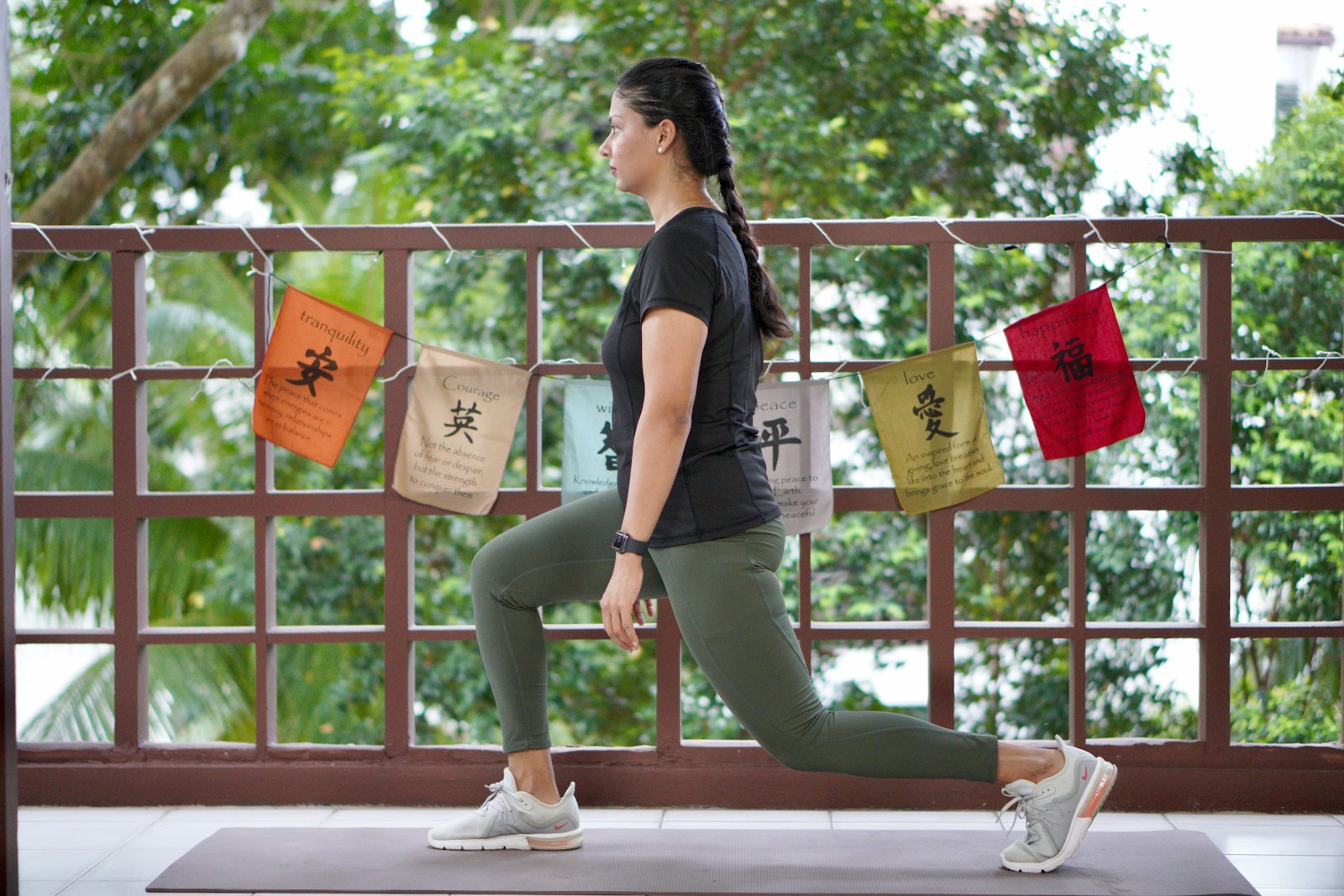
If you want to stay independent, upright, and injury-free as you age, strength training isn’t just a “nice to have” anymore. It’s essential.
❤️ The Hack: Strength training after 50 isn’t about big muscles—it’s about your structure.
Think of your muscles, bones, and joints like the frame of a house. If you stop maintaining that frame, things quietly weaken… until something cracks.
Around this age, most people think walking is enough. Walking is great, but it doesn’t send a strong enough signal to your bones and muscles to stay tough. Resistance does.
Strength training is what actually protects:
- Bone density: Your best defense against breaks.
- Posture: Helping you stand taller and breathe better.
- Balance: Fewer trips and falls.
- Independence: Being able to carry your own groceries and get up off the floor on your own terms.
🧭 How to Apply It
You don’t need heavy weights or a gym membership. You just need consistent, controlled resistance.
The Fix (No gym bravado needed):
- Frequency: Aim for 2–3 days per week.
- Duration: 20–30 minutes is plenty.
- Focus: Slow, steady movements.
Prioritize these four:
- Squats or chair stands: For legs and hips.
- Push movements: Wall pushups or incline pushups.
- Pull movements: Using resistance bands or light rows.
- Core stability: Think about “bracing” your middle rather than doing crunches.
👉 Here’s the kicker: If you can control the weight and stop before you feel a “strain,” you’re doing it right. Strength after 50 is about joint-friendly tension, not exhaustion.
🧘 Daily Practice: The Sit-to-Stand Test
Do this today to check your “frame” strength:
- Sit in a sturdy chair.
- Cross your arms over your chest.
- Stand up and sit down 10 times, slowly and with control.
If it feels a bit challenging—that’s good. That means you’re training your legs, hips, and balance all at once. Do this once a day for a week and watch how much easier “real life” movements start to feel.
🌅 Motivational Wrap-Up
Strength training is one of the few habits that pays you back every single year you keep it. It’s the difference between staying upright and feeling stooped. It helps you recover faster from slips and protects your bones before they have a chance to break.
You’re not training to look like a teenager again. You’re training to live stronger.
The best time to start? Today. Keep it gentle, keep it consistent, and play by the new rules.